
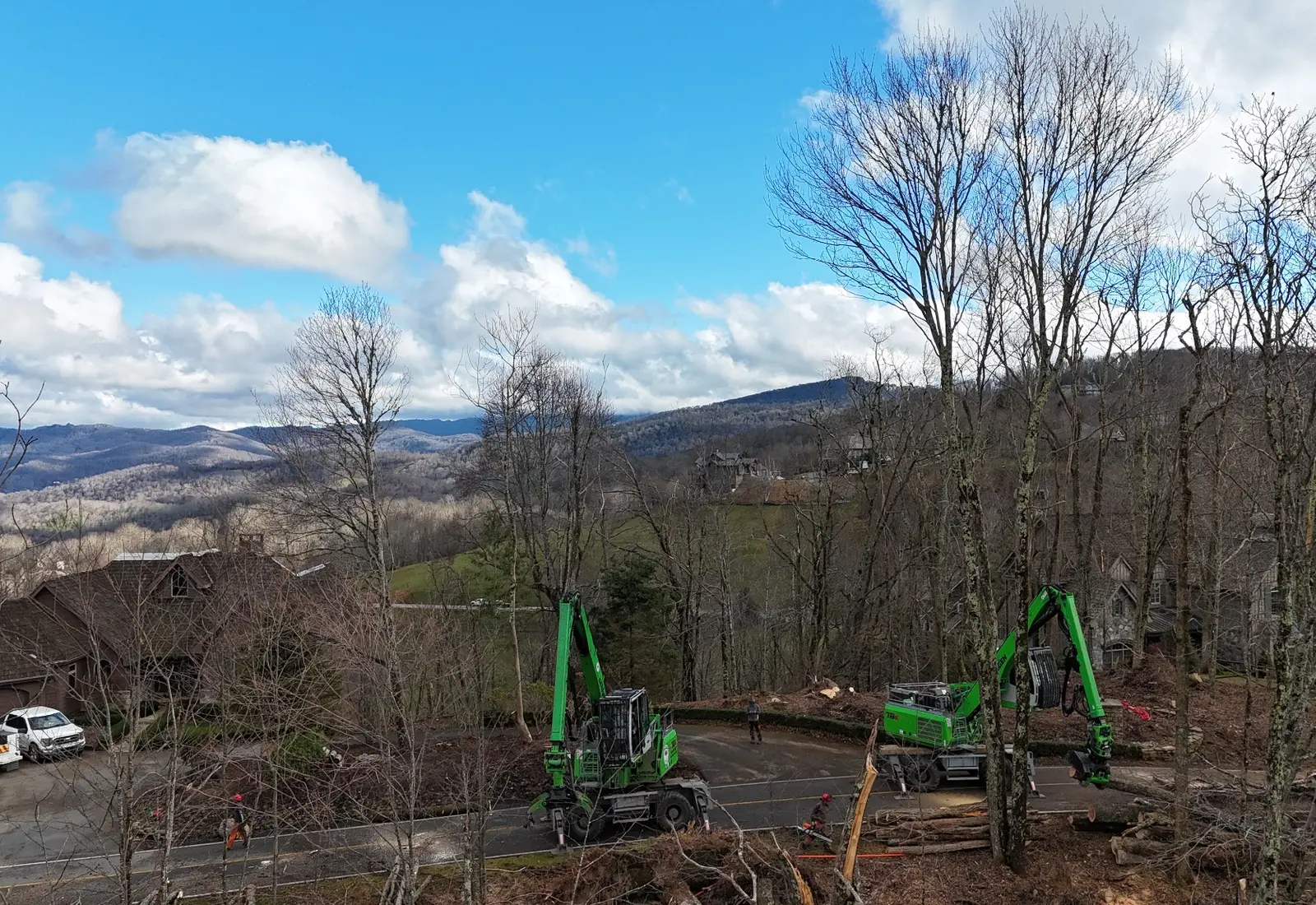
The asset is larger than the tree.
A hazardous tree is often treated as an isolated maintenance item. That view is too narrow when the tree can affect a roadway, facility, utility corridor, emergency route, or occupied space.
The right question is not simply whether a tree needs work. It is what the surrounding system must continue doing while that work is planned and executed.
Plan around consequence.
High-consequence sites demand a shared operating picture: target condition, failure modes, access constraints, work-zone controls, equipment position, material flow, communication, and closeout.
That planning does not slow production. It removes avoidable decisions from the moment when crews, equipment, and customers are under pressure.
- Identify what cannot be interrupted.
- Rank hazards by consequence, not appearance alone.
- Match equipment and operators to site constraints.
- Define documentation and closeout before work begins.
The future is managed, not merely reacted to.
Sentinel believes vegetation programs will increasingly connect field assessment, repeatable prioritization, mechanized production, and useful records. The objective is a clearer decision cycle, from detection to action to verification.
That future requires disciplined field execution first. Technology is valuable when it improves judgment, coordination, safety, or proof. It should not become another layer of noise.